פורסם עם: General Aviation

Fuel-burn inconsistencies
H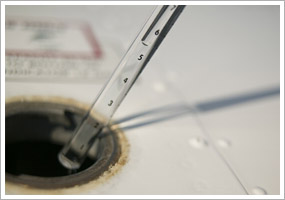 ow accurate are your estimates of fuel consumption? Do you make it part of your postflight routine to check actual fuel burn against what you calculated in your preflight planning? Do you investigate any discrepancies? (The postflight is an important phase; see the Oct. 17 "Training Tip").
Determining how much fuel you'll need for a flight, and carrying more than that—plus reserves—is a good start on safety. But it's not the whole ballgame. Whenever you have an opportunity to check actual fuel burn against what you predicted, take it. The best way to get useful information is to depart with full fuel—weight and balance permitting—and top off after landing. Does the amount of fuel that you must add to the tanks confirm your calculations?
Many flights have hardly begun when you realize that your fuel-burn figures will be "off." Extended taxiing to a distant runway, followed by a ground hold, could skew your figures. (A related concern is engine overheating, as explained the July 29, 2005, "Training Tip.") Climbing to a higher altitude than planned adds to fuel burn and reduces groundspeed over a greater distance. You did allow for taxi, takeoff, and climb in your calculations, correct? Don't simply measure the distance to your destination and use cruise figures for flight planning. That could produce serious errors or even cause you to run low on fuel. Performance charts and notes are provided in your pilot's operating handbook for each flight phase. AOPA's Handbook for Pilots provides this rule of thumb: "In a normally aspirated airplane, add about three pounds per cylinder to total fuel burn for the extra amount required to take off and climb to cruise. For start and taxi fuel, the time has to be known. A ballpark figure for idling fuel flow is from 15 to 20 pph, depending on the engine."
Landing at a new airport is a learning opportunity. If you opt for a short session in the traffic pattern, keep fuel in mind. Don't trust gauges! Run a fuel clock in your mind, as emphasized in AOPA Pilot's March 2006 cautionary tale "Proficiency: Don't Be a Fuel Fool."
Preflight planning provides the framework for your flying. After startup, expect the unexpected, and keep running the numbers.