דוח חקירה CHQ
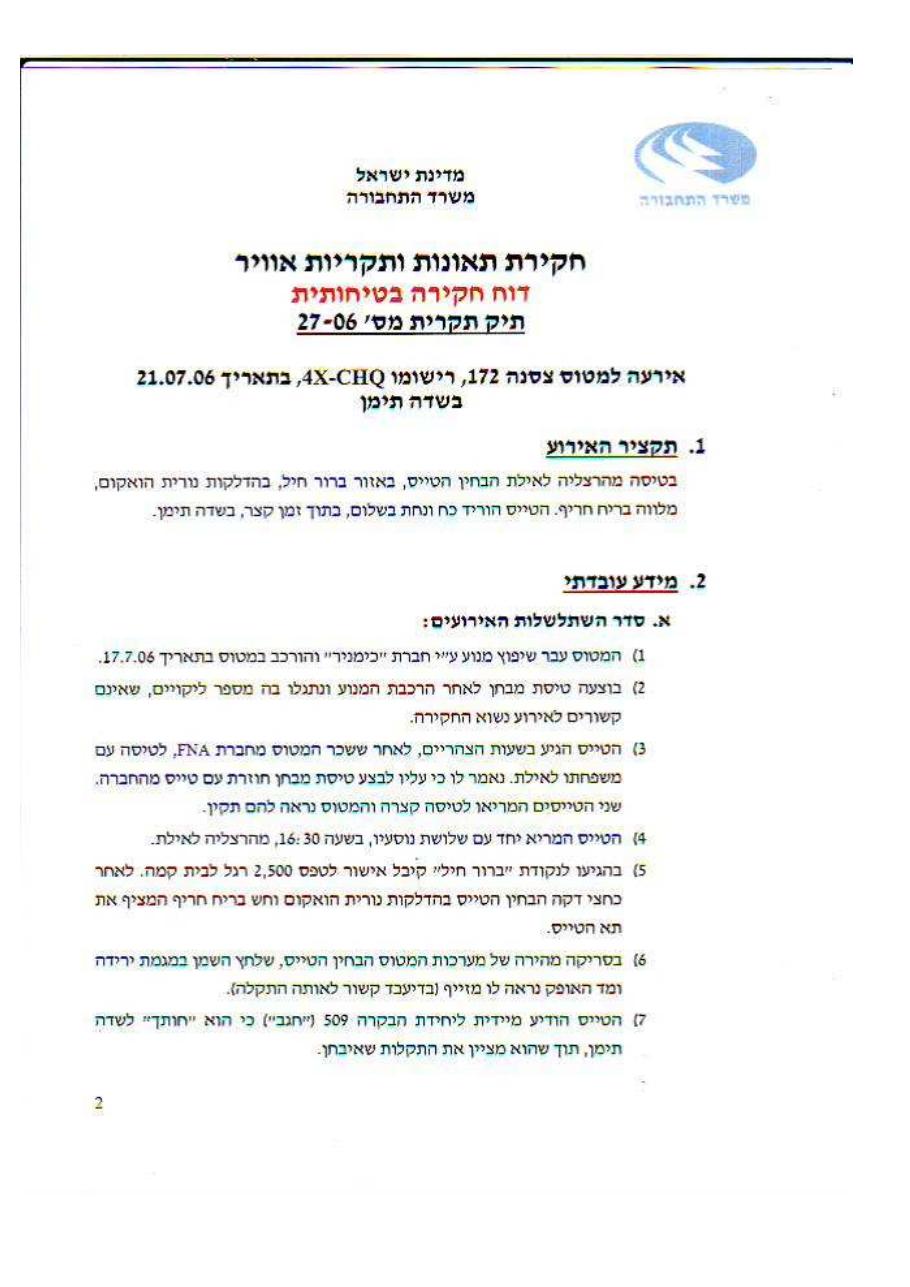
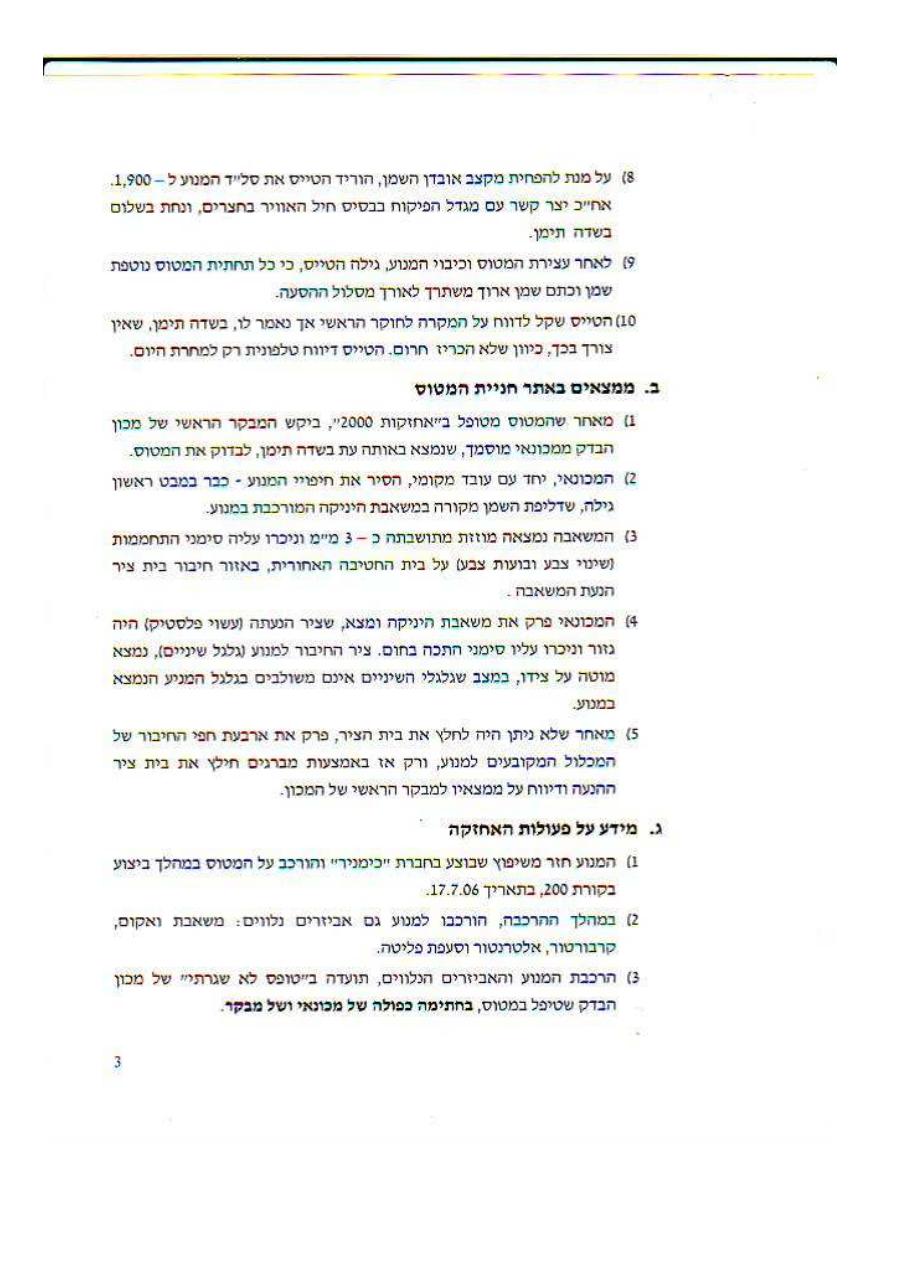
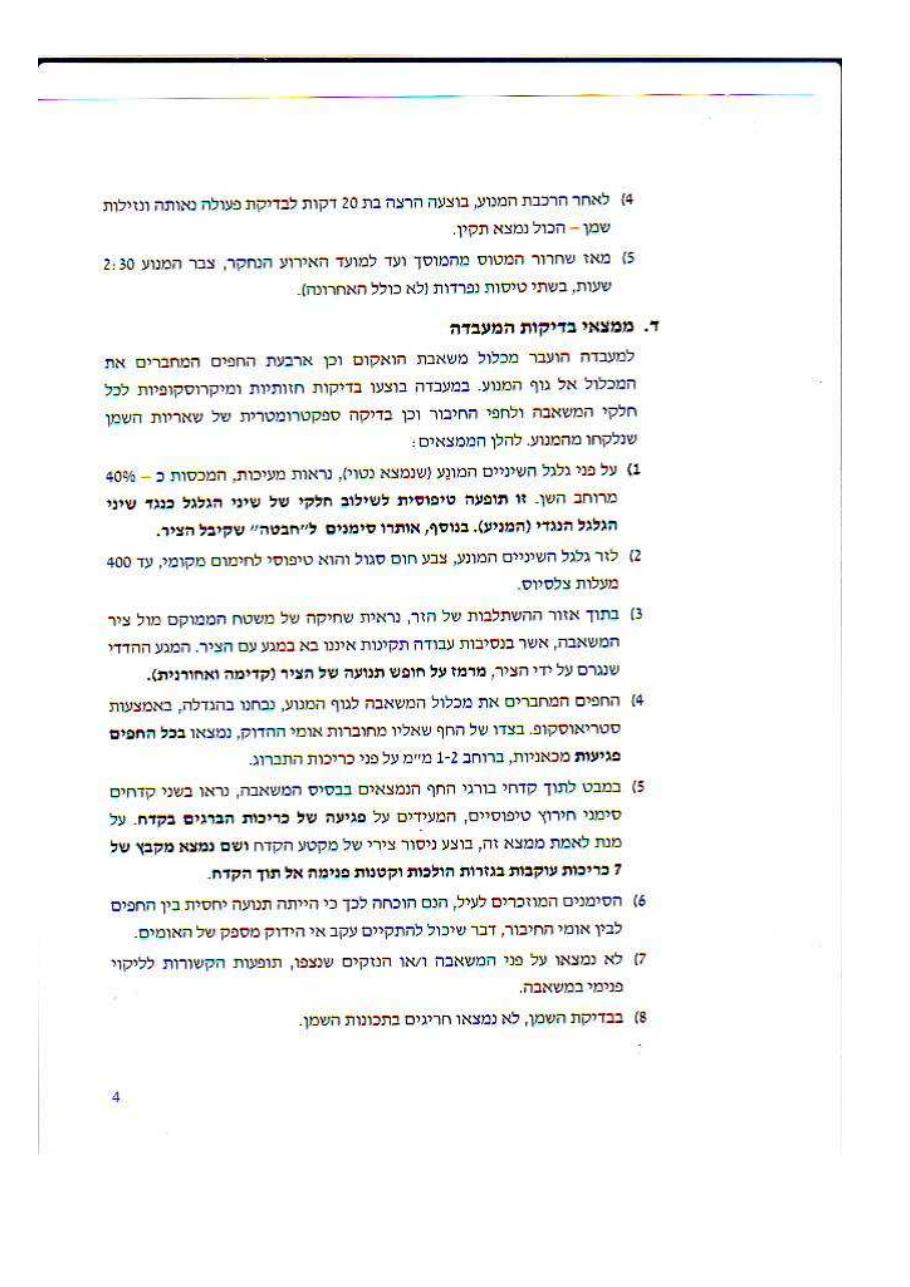
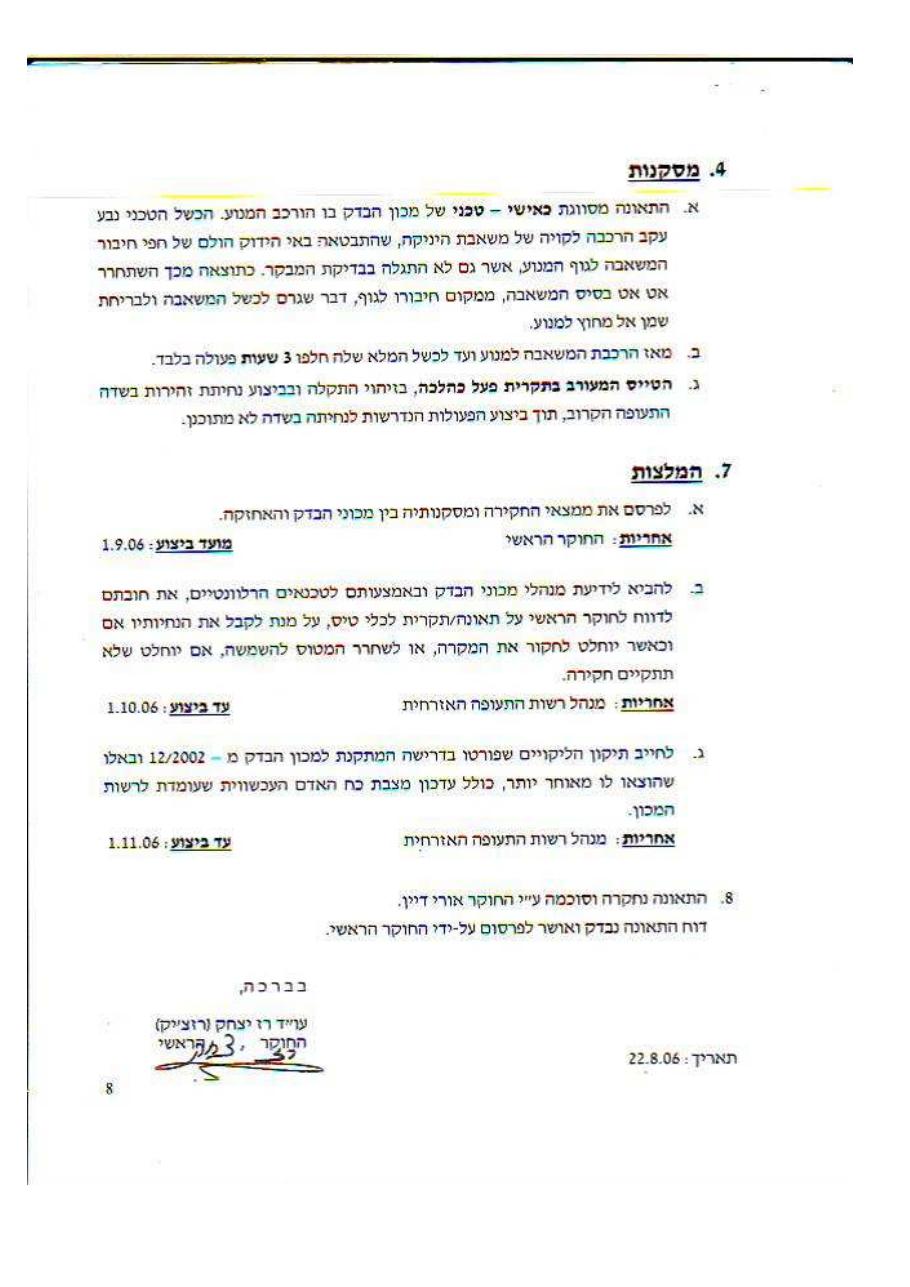
דו"ח תחקיר תאונה - CGP
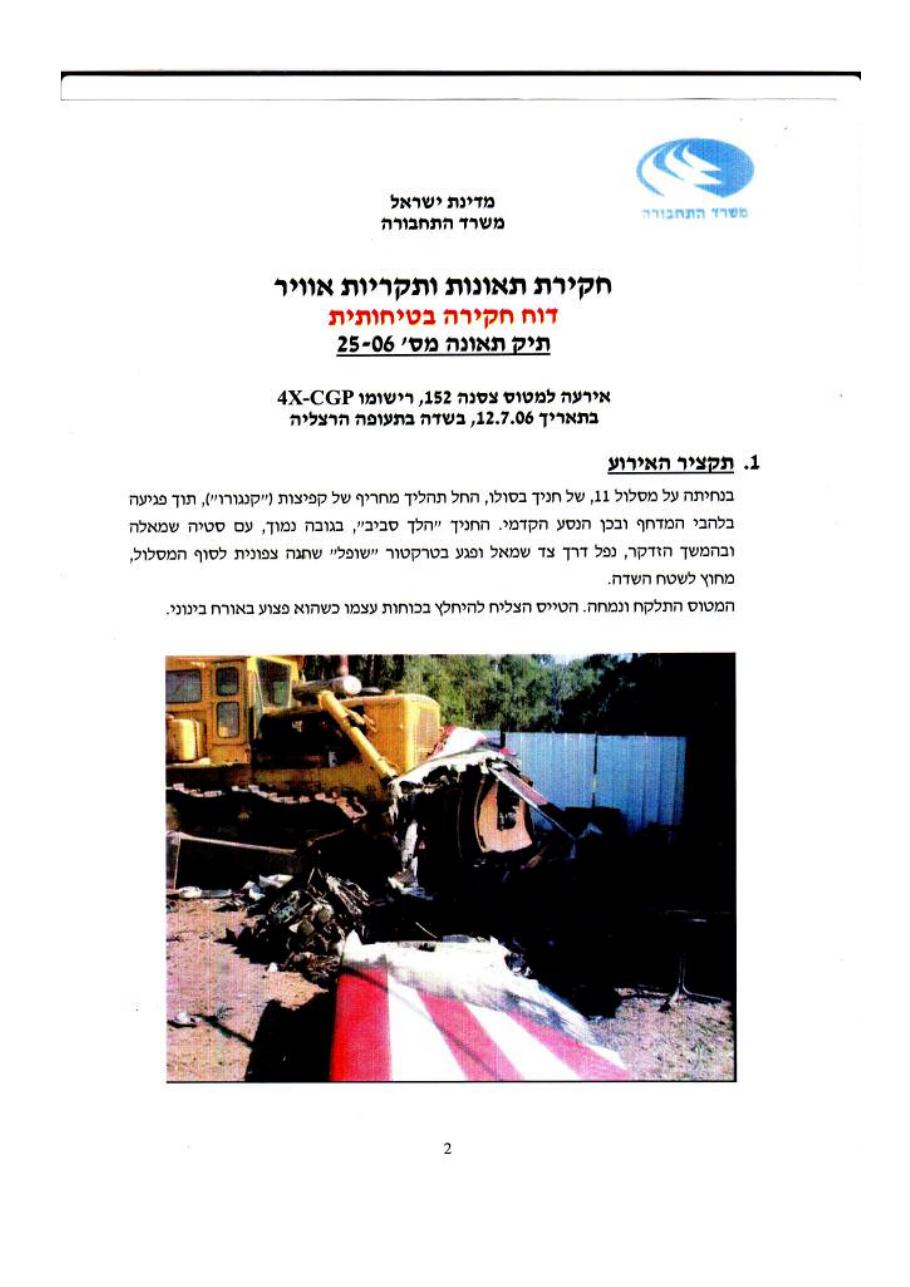
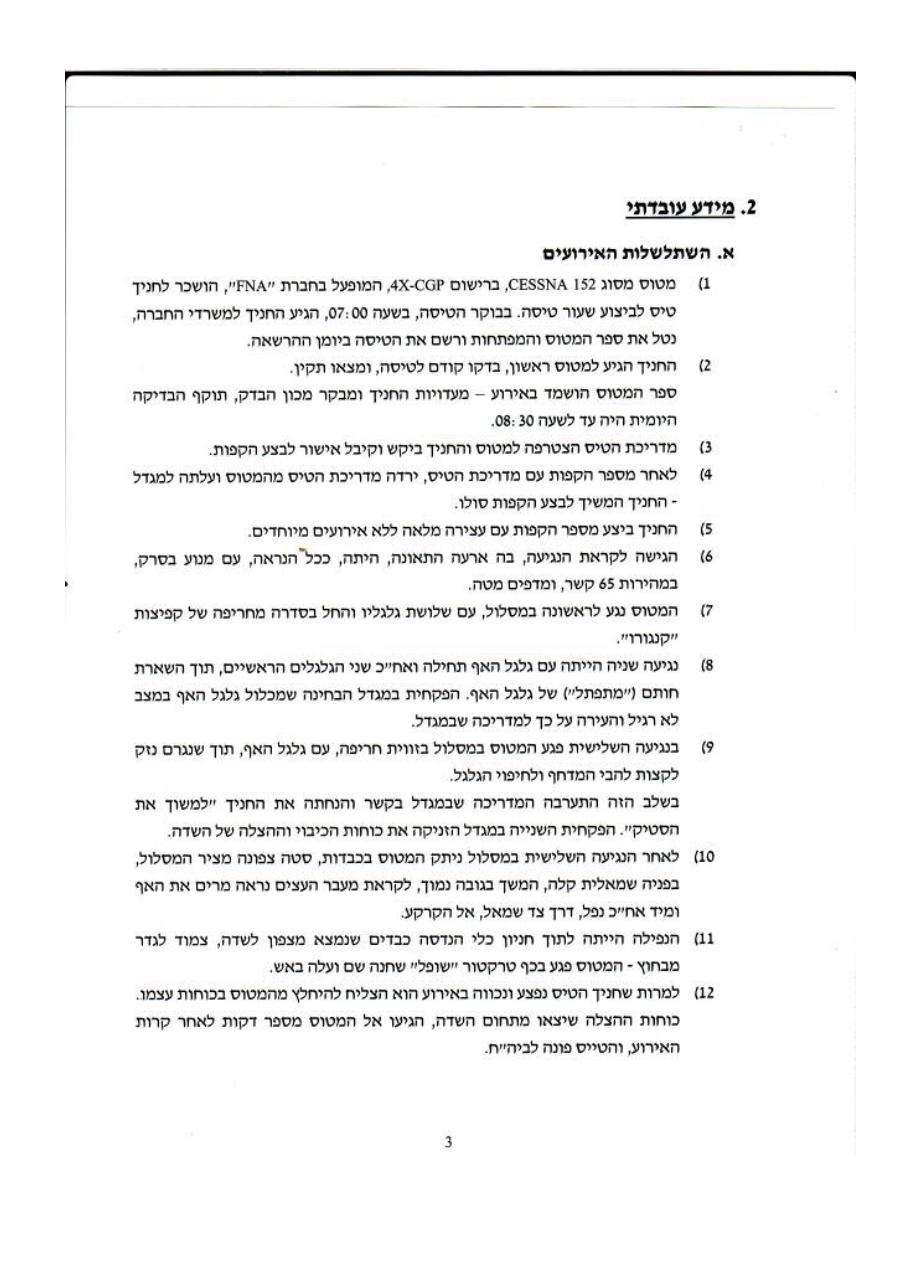
דוח חקירת תאונה ל"אולטרה לייט"...
Actual photo of the accident investigation.

Accident Report (abstract)
Site of accident: 5 miles north west of Crete
Date of Accident: Approx 250 BC
Aircraft Type: Homebuilt, Man-Powered (ultralight class)
Injuries: 1 (fatal)
Investigator: Glutinous Maximus (Head of Air Ops, Mediterranean Sector)
Date of Report: 1/1/0001
Details of Accident
Considerable delay has occurred between the accident and the investigation, so the following notes detail the facts that have been established. The aircraft was a homebuilt ultra-light of original design, one of two constructed. The aircraft was constructed from a range of novel composite materials. The accident occurred on the first flight of the type. The pilot was the co-designer of the aircraft, and at the time of the accident had a total time of 25 minutes (all on type). At the time of the flight the wind was 180/3kts and cloud cover was 0/10 at all altitudes.
There are no records of the pre-flight inspection, indeed the indications are that none was performed. On the day of the accident witnesses report the aircraft to have successfully taken off from Crete, the pilot having announced the intention of making for Greece (although no flight-plan had been filed). The flight was in company of another aircraft of the same type flown by the co-designer and father of the pilot. The second aircraft was also on its maiden flight, and its pilot also had no experience on the type prior to the flight. Approximately 25 minutes into the flight, some 5 miles north west of Crete, the aircraft was observed to climb to a considerably higher altitude than its partner. At this point it appeared to suffer a substantial structural failure followed by a departure from controlled flight; the aircraft entered a dive from which it did not recover before impact with the sea.
There was no post-impact fire. No search was attempted due to lack of facilities, but the circumstances of the accident suggest that the pilot would have died on impact. The second aircraft proceeded successfully to its destination.
Analysis of Accident
Despite the elapsed time and total absence of surviving physical evidence it is felt that sufficient information exists to infer the sequence of events and the cause of the accident.
The novel composite structure of the aircraft was known to be the subject of physical restrictions on operating temperature. These restrictions had been carefully explained to the pilot before the flight. When the pilot climbed to a higher altitude the levels of ambient solar radiation probably led to these temperature restrictions being exceeded, resulting in a thermal degradation of the basic structure.
A progressive failure would have occurred, initial delamination of the upper skin material would have been be followed by a compressive failure of the upper mainspar. Brazier forces would then have extruded the internal wax core material leading to a catastrophic failure of the entire primary structure. This theory would help to explain why the second aircraft (at a lower altitude) experienced no such failure.
CAA Comment
This accident was clearly caused by an inexperienced pilot paying scant regard for the operational envelope of the airframe. Although the novel materials used in the airframe had strict limitations, these were well documented and explained to the pilot. It is regarded as significant that, despite the known thermal limitations of the materials used, no attempt had been made to protect the structure from infra-red radiation.
A layer of aluminised film over the outside of the structure would probably have prevented the accident by extending the operational envelope of the airframe. In view of this, and other, design deficiencies in the aircraft it is recommended that Form 100 signatory approval be withdrawn from this manufacturer.
It is further felt that from today (1/1/01) onwards no pilot should be permitted to attempt primary training flights as solo P1 on an experimental type. If this regulation had been in force at the time, Mr Icarus would probably not have attempted the flight.
EYEWITNESS ACCOUNT
The following eyewitness statement was made by Asticles, who was standing on the beach approximately 10 leagues away at the time of the accident. He reported seeing Greek Fire hit Icarus. Icarus then climbed an additional 150 rods before descending in a ball of fire.
Greek Navy Ship "The Amphora" in the vicinity reported that it was patrolling the area which is a known route for the Olive Oil smuggling trade. Testacles, the captain of The Amphora reported that ship had nothing to do with the incident and that all Greek Fire projectiles on board were accounted for.
ESTATE OF ICARUS AGAINST DAEDALUS ET AL
(Vince Brannigan)
Complaint in Product Liability , Negligence and Unlawful Detention
Summary
The deceased, Icarus, was killed while attempting to escape an unlawful imprisonment ergo Defendant King Minos is strictly liable for this death. The deceased was killed flying a defective homemade aircraft, designed and produced by the defendant Daedalus. The defendant's claim of the plaintiffs causing his own death are not supportable.
The defendant, Daedalus, an expert inventor and engineer, affixed feathers to the wings with heat soluble wax. Alternative glues were known to the builder. Daedalus failed to consider alternative, more heat-tolerant, glues.
The warning given to the operator Icarus, was inadequate given the age of the youth. In particular, the warning claimed to be given was "Icarus, my son, I charge you to keep at a moderate height, for if you fly too low the damp will clog your wings, and if too high the heat will melt them. Keep near me and you will be safe." This warning is in vague terms and failed to specify that melting the wings would lead to the death of the minor operator. Given the youthful age of the operator, it is critical that a warning be given in the clearest and most explicit language.
The only testimony supporting the claim that an oral warning was given is the self serving testimony of the negligent inventor. In any case a warning is inadequate if a safer non heat sensitive glue is available There was no clear definition of "moderate", "too high" or "too low" and the operator's experience was insufficient for him to determine the optimum altitude.
A water landing was a reasonably anticipated outcome of even a successful flight. No provision was made for a safe water landing. No safety equipment or training was provided.
Sources indicate that, notwithstanding the claim of instant injury, Icarus in fact drowned, Bullfinch states: While his mouth uttered cries to his father it was submerged in the blue waters of the sea which thenceforth was called by his name. His father cried, "Icarus, Icarus, where are you?" At last he saw the feathers floating on the water, and bitterly lamenting his own arts, he buried the body and called the land Icaria in memory of his child.
The claims that flying higher caused the sun to melt the wax is based on "junk science" inadmissible in this litigation. There is no evidence at all that radian solar energy increases at the heights involved in this matter and if anything the atmosphere cools as the flyer ascends
Given these facts plaintiffs estate demands 1,000,000 gold pieces in damages. If Icarus is proven to be the employer of Daedalus, as well as father to the youth, a further sum may be payable due to Employer's Liability. There may also have been a breach of the Health and Safety at Work Act.
Dave Eadsforth added the following comment:
It is worth citing the investigative work done by the AIB at Farnborough in the 1960s ('Aircrash Detective' by Stephen Barclay), which put forward a very convincing case for the wax not melting, but actually becoming brittle in the cold evening air (at the altitude estimated to have been reached by Icarus) and suffering structural failure. This explanation also resolved conflicting reports of where Icarus fell, as the two possible sites were 30 miles apart (When the airframe failed, Icarus fell straight down, to one traditional site, whereas the feathers were carried by the breeze to the other traditional site). This last part of the theory was confirmed by dropping wax tipped feathers from the top of one of the hangars at Farnborough. The whole four page analysis is a real beaut - worth tracking down a copy of the book!
התנגשות באויר...
לחברי אגודת התעופה שלום,
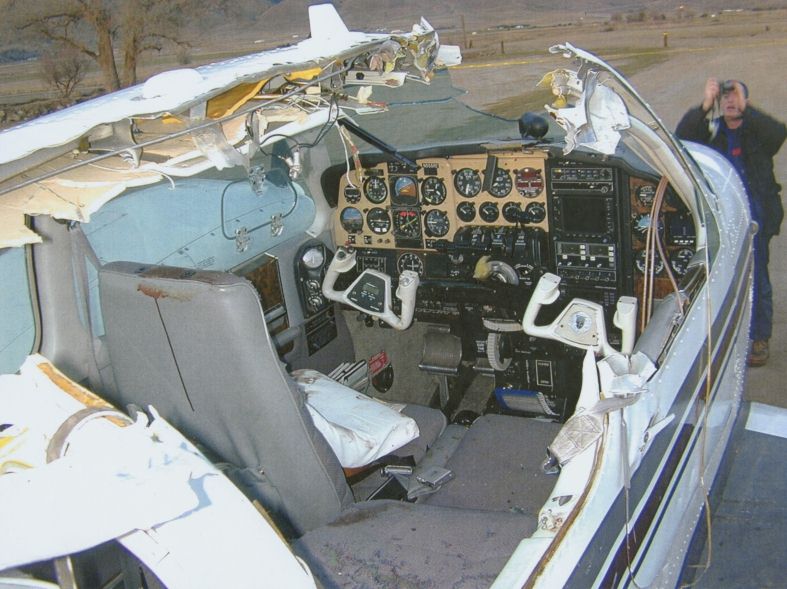
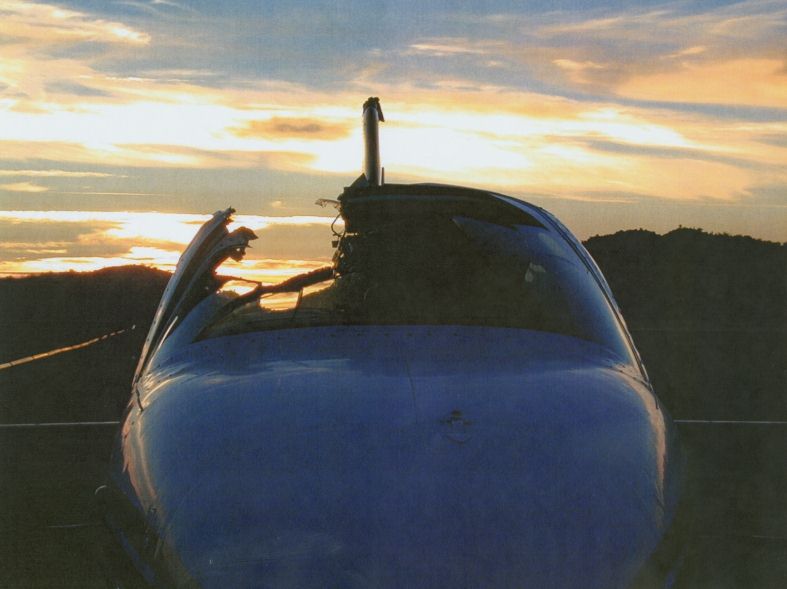
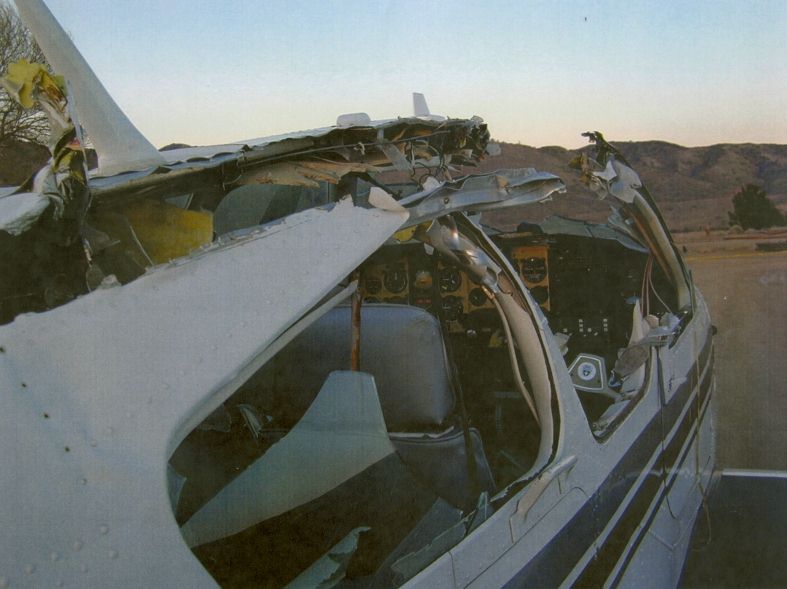
מצורף מכתב שקיבלתי מחבר אמריקאי, טייס בעל למעלה מ- 9000 שעות טיסה על 23 סוגי מטוסים ומסוקים. התמונות מדברות בעד עצמן.
ערן דובדבני
Here’s an interesting story…
Sometimes you see the wreckage and wonder how anyone got out alive. If this Beech Baron had been flying a few inches to the right, we likely wouldn't be wondering how Robert Hollis Gates, of Tehachapi, Calif., managed to land the plane safely after a midair with a Cessna 180 last Jan. 16. The Baron lost a section of fuselage, but Gates walked away with cuts and bruises. The 180 broke up in flight and the pilot, 40-year-old David Lazerson, a civilian test pilot instructor at Edwards Air Force Base and deputy director of the Joint Strike Fighter Integrated Test Force, was killed. According to the NTSB report, Gates said he was in cruise climb between 5,500 and 6,500 feet near Tehachapi when he saw the right gear leg of the Cessna coming at him from one o' clock. He ducked, then saw a dirt strip and managed to set the Baron down. AVweb wasn't able to reach Gates.
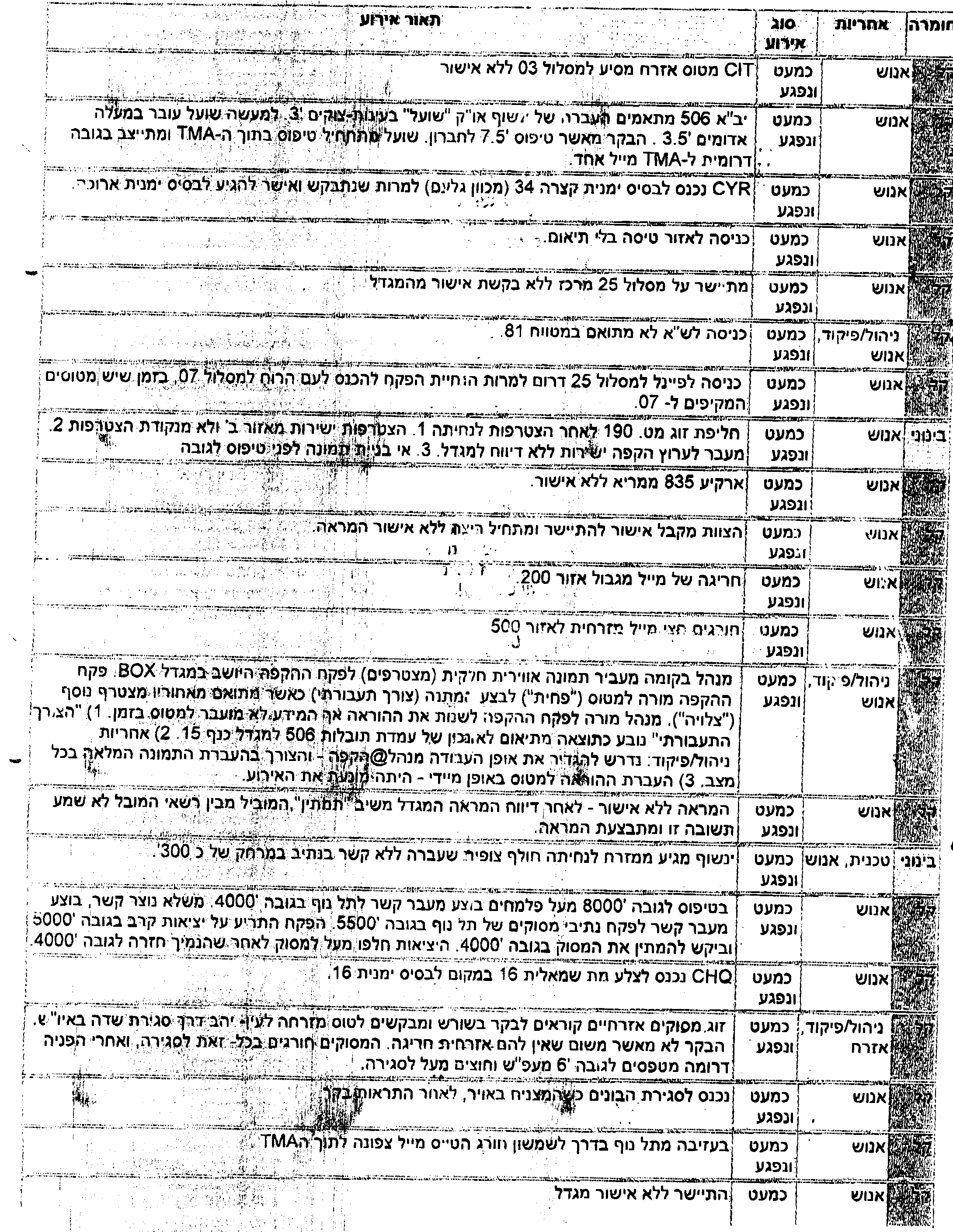
אירועי בטיחות בחודשים יוני יולי 2004
ארועי בטיחות יוני-יולי
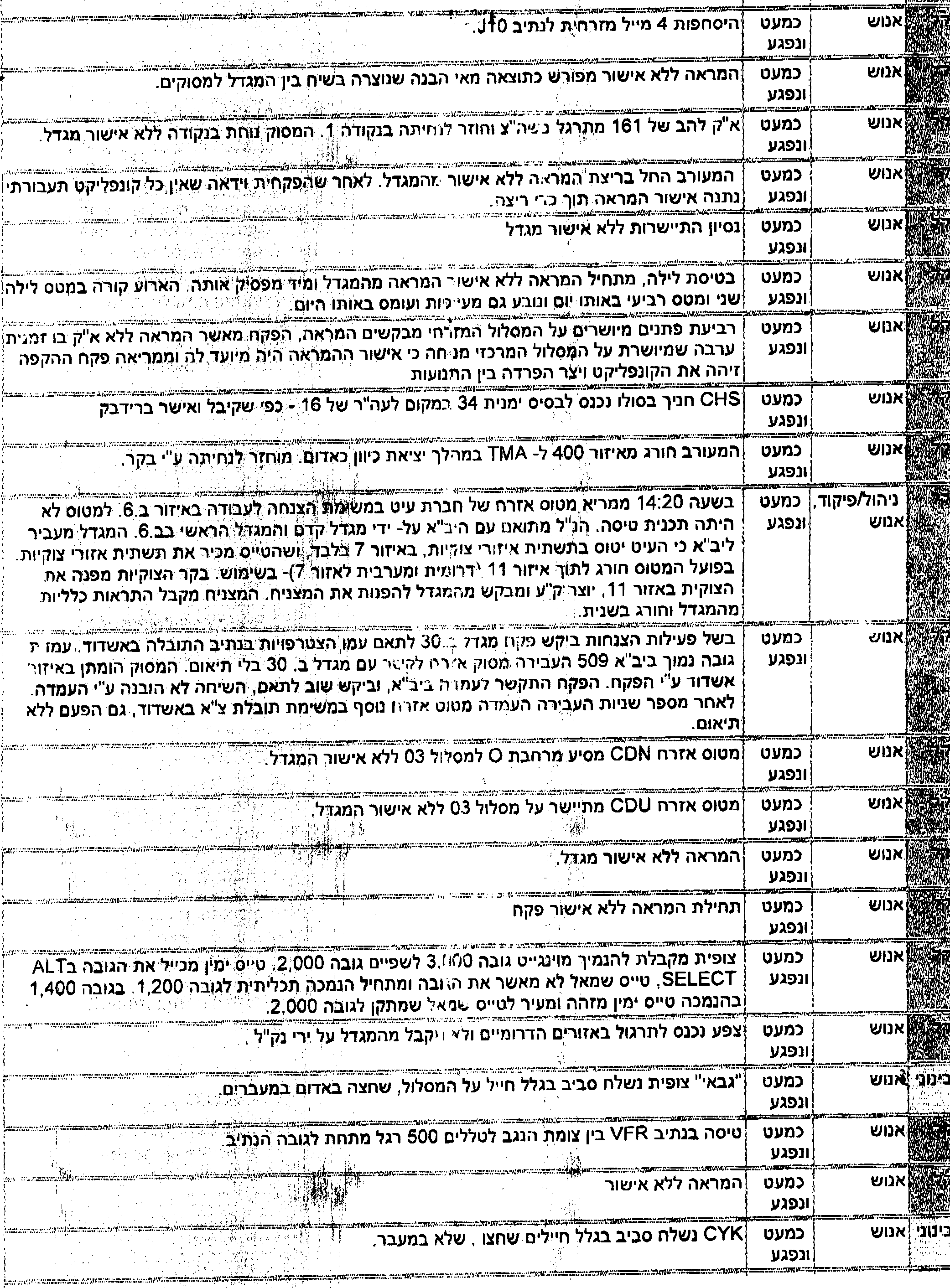
אירועי בטיחות בשדה דב
ארועים תעופתיים ש"ד
להלן מקבץ ארועים בטיחותיים שנצפו בש"ד מתחילת השנה.
הנ"ל מובע לידיעת החברים על מנת שנוכל לקבל מושג לגבי הארועים היומיומיים שמתרחשים בשדה זה,יש לשים דגש כי שדה זה עמוס תעבורתית ובמגדל יושבים לעיתים פקחים צעירים, השילוב של טייסי שבת ופקחים צעירים זהו שילוב לא בריא, בואו נשתדל מהצד שלנו לפחות למנוע ארועים אלו.
שימו לב למספר ארועי הסעה/המראה ללא אישור.
1/1/04 - CDD מסיע ללא אישור
17/1/04 - CDC מתיישר וממריא ללא אישור
25/1/04 - CHM מסיע על 28, מבצע 360 על המסלול וכמעט מתנגש בפשוש
חונה. טוען שנתקעה לו הרגל בברקס וממשיך להמראה. לא ברור אם
מדובר בטעות אנוש / טכנית. נורמת טיסה לקויה.
20/2/04 - CGK לא מדווח מערבית לקאנטרי ב-1200 וממשיך לטוס דרומה.
חולף תנועה מדרום בגובה 1200. (אירוע בחומרת בינוני)
15/3/04 - CAU נכנס דרך הקאנטרי לעם-הרוח הפוכה למסלול 03 כאשר יש
תנועה בעם הרוח. הפקח מבחין ומבקש ממנו לטפס ל-1200 ולחצות
מערבה לכניסה לעם הרוח. CAU חוצה מערבה ונכנס לעם הרוח של
21... הפקח מבחין שוב ומתקן ל-03
23/3/04 - BCL מצטרף בקאנטרי ב-600 במקום בפנימיה, חולף ערבה בצלע
בסיס ל-21 (אירוע בחומרת בינוני)
1/4/04 - CIT מסיע ללא אישור
11/6/04 - CDN מסיע ללא אישור
11/6/04 - CDU מתיישר ללא אישור
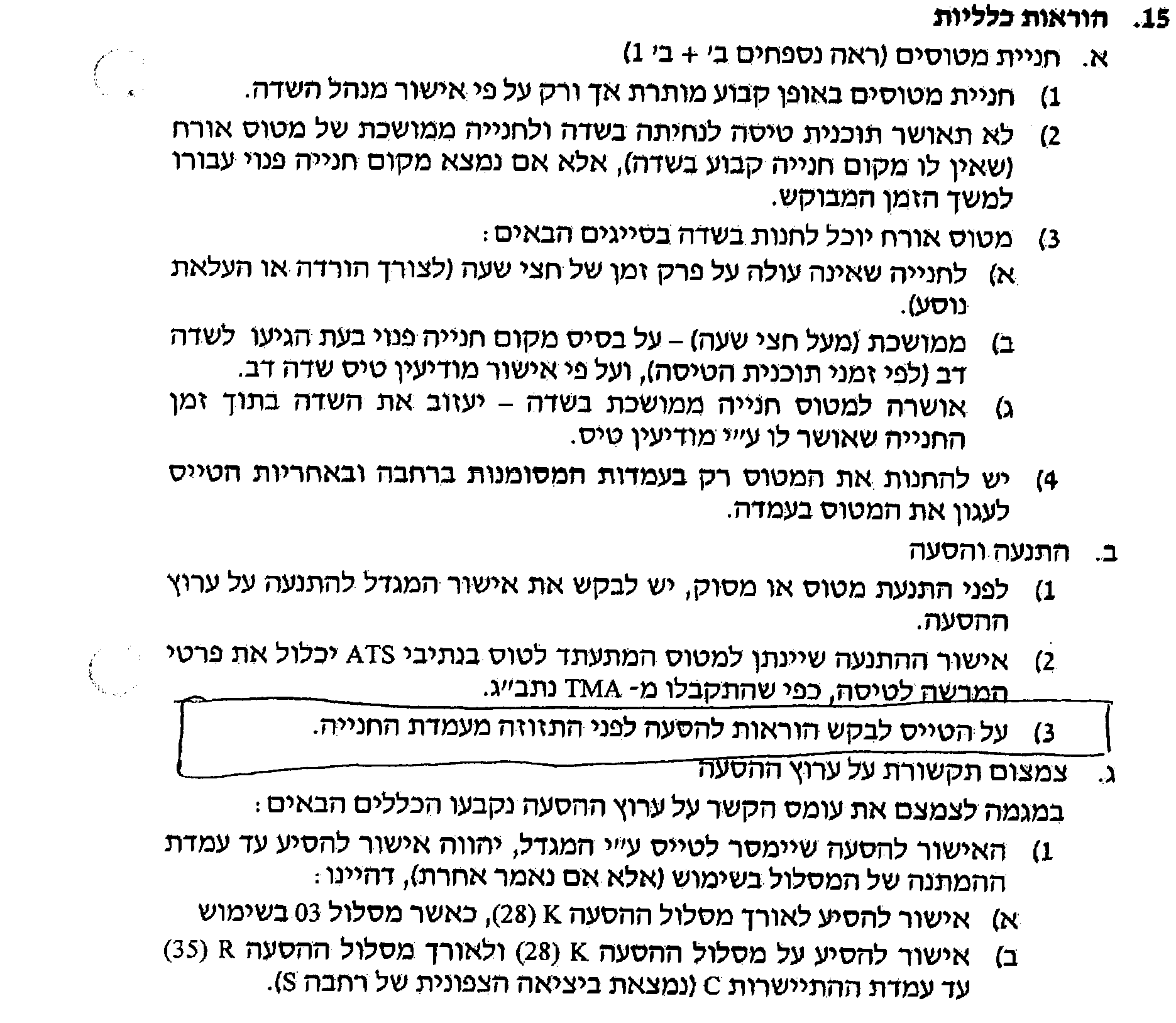
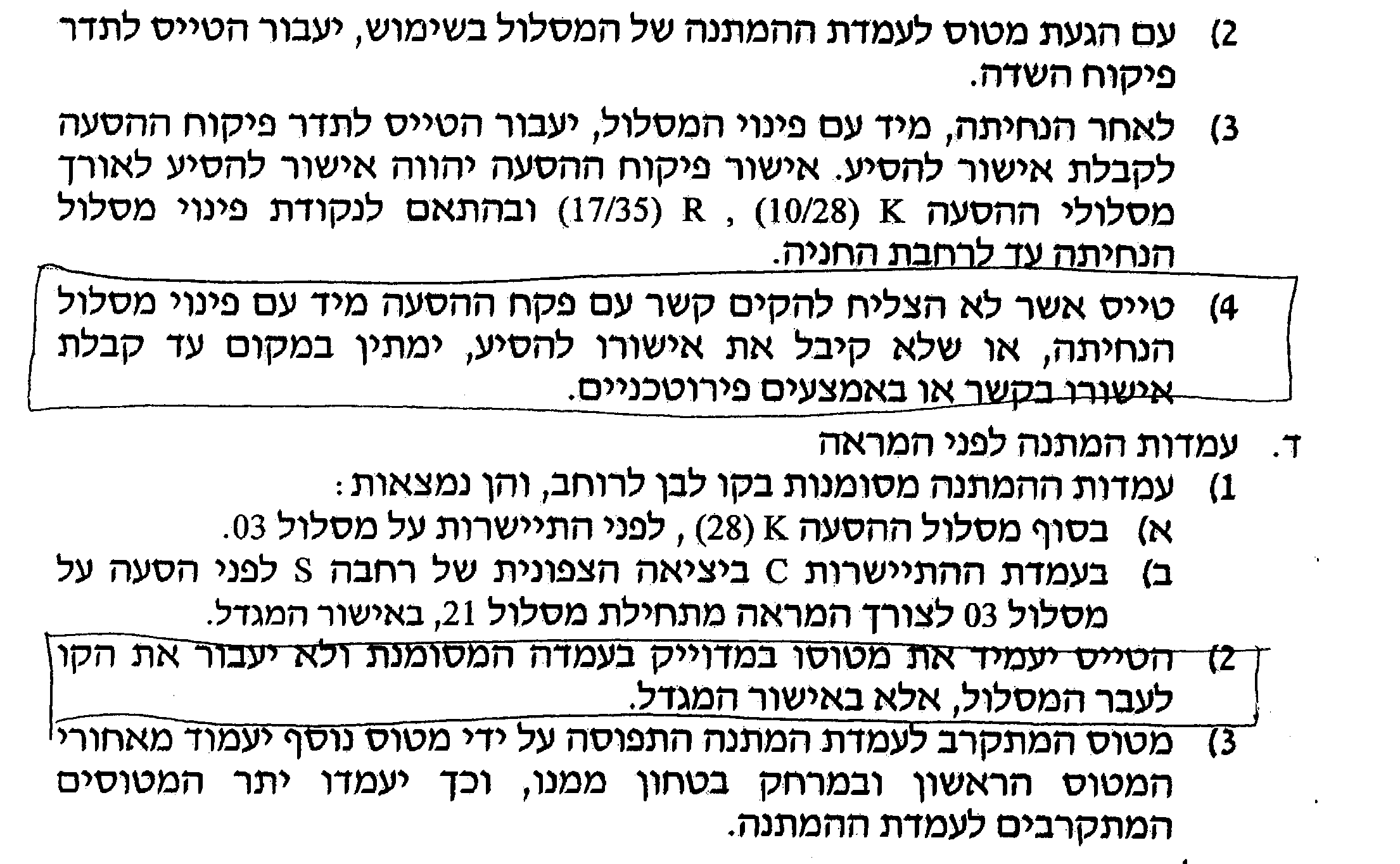
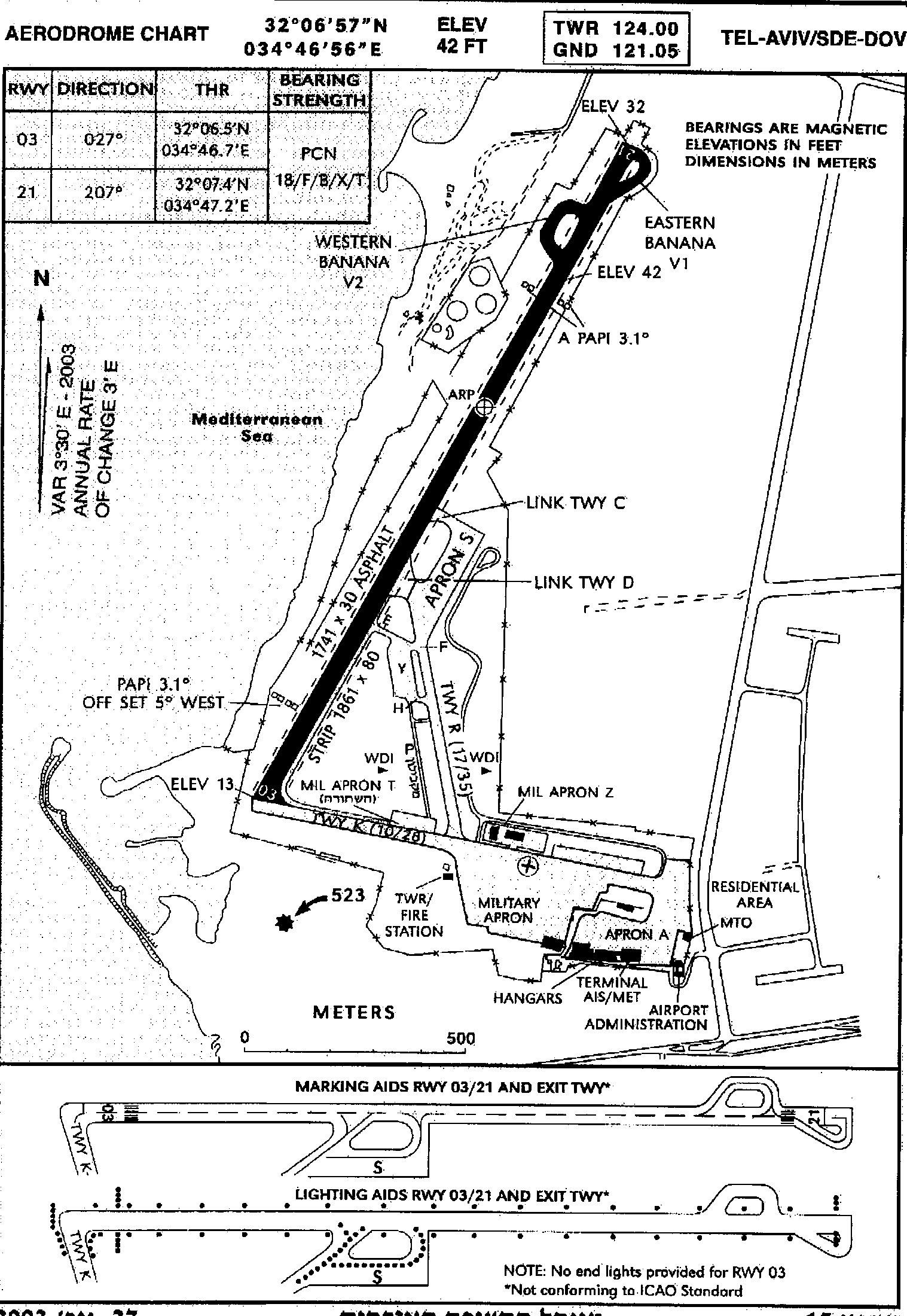
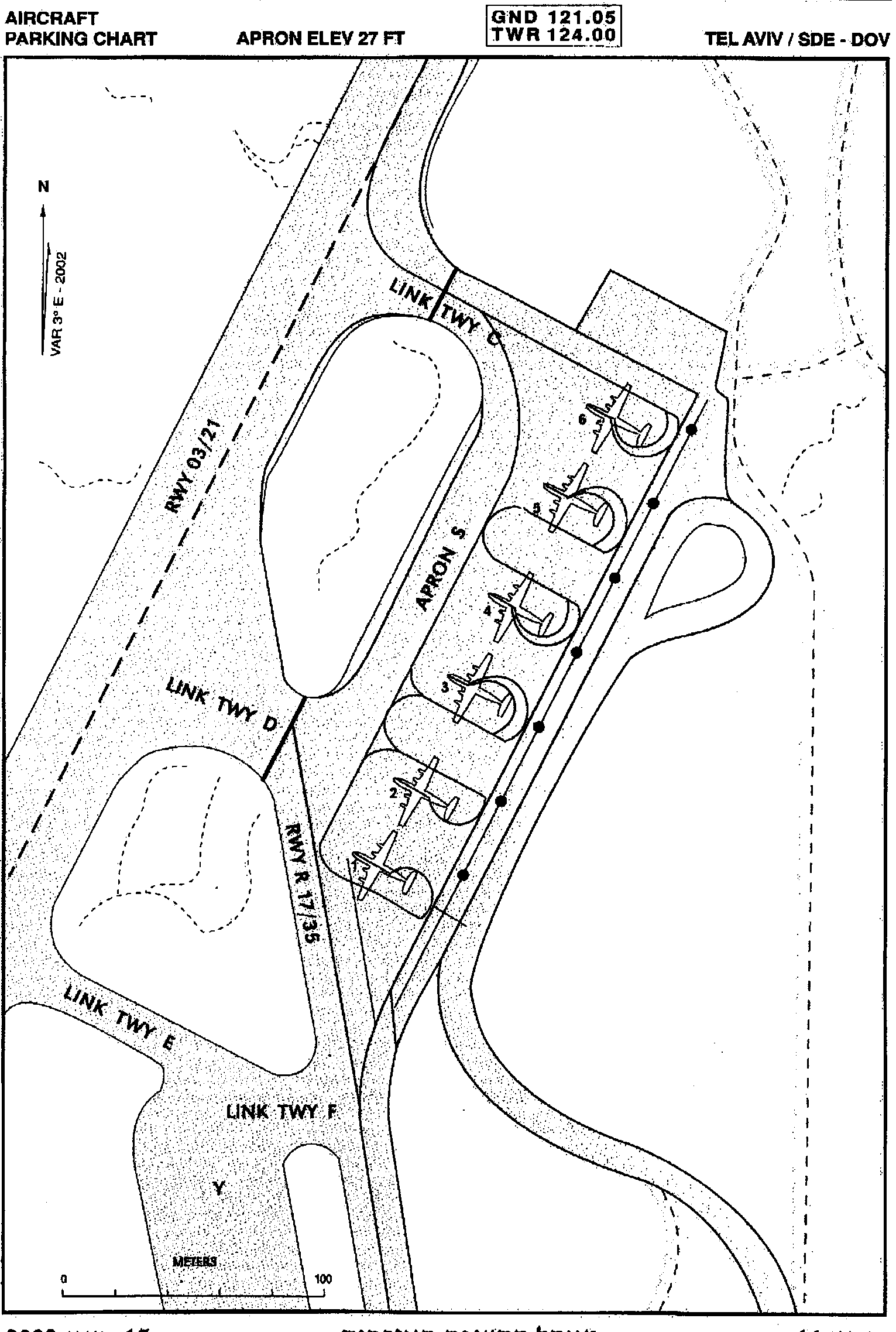
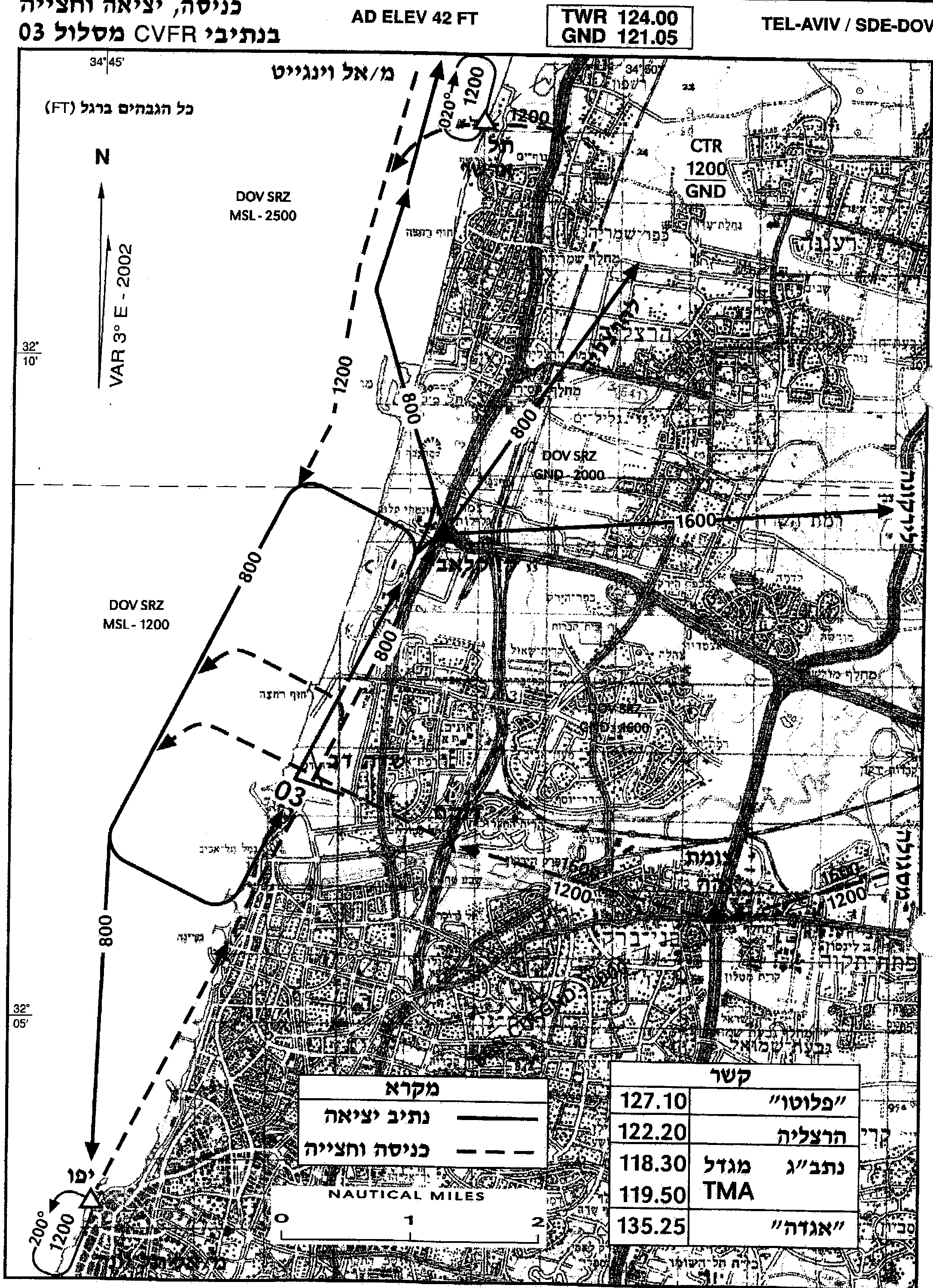
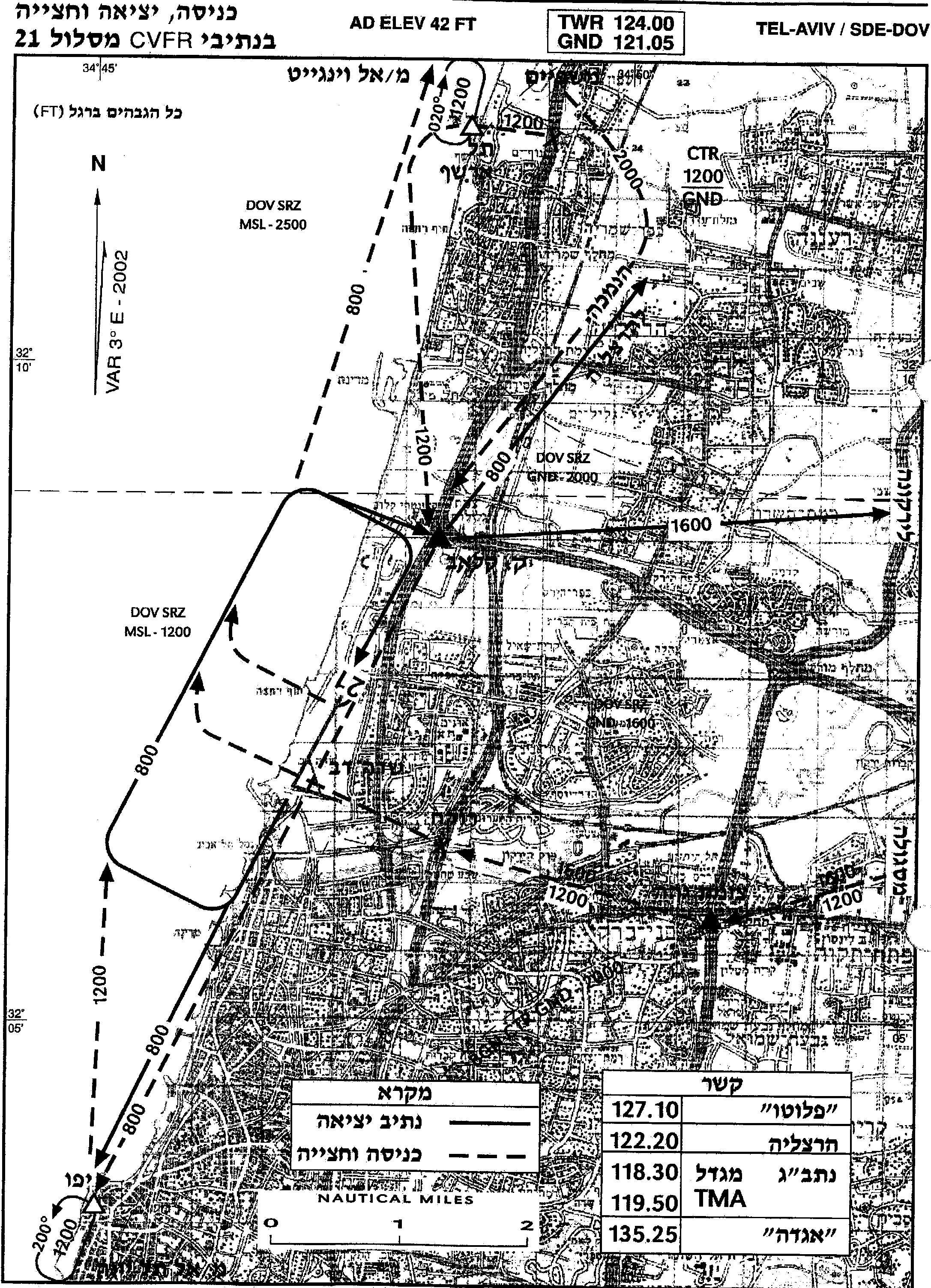
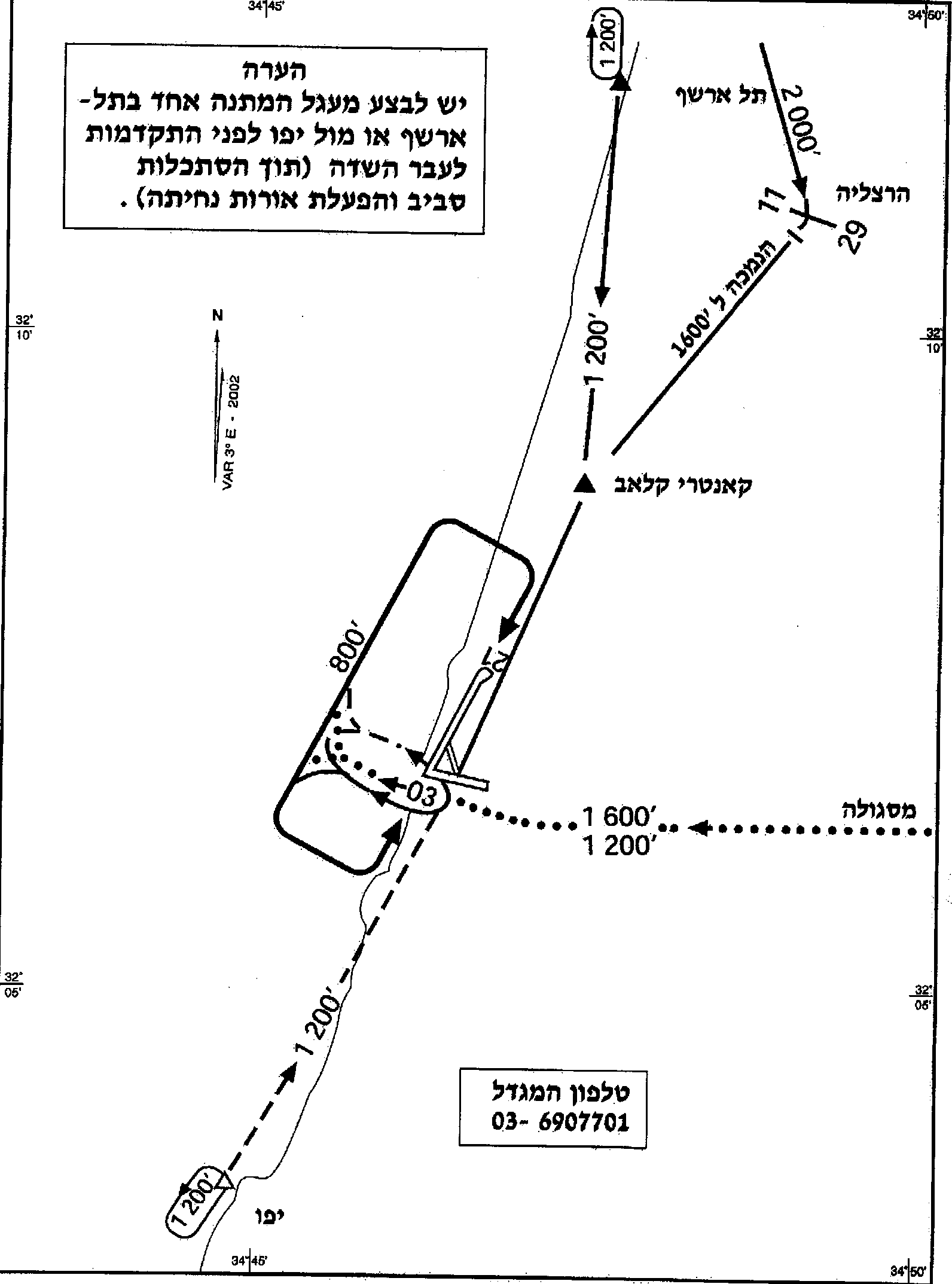
להלן מספר דגשים בכניסה ל-CTR ש"ד.
תאונות בעקבות בד"ח לקוי
בד"ח לקוי לפני טיסה
מאת :פטר גריסון-Flying Magazine 12/2003
ערך ותרגם: שמעון שכטר- ועדת הבטיחות
במהלך 10 השנים האחרונות ה NTSB השתמש במונח "בד"ח לקוי" כגורם הסביר ל 15 תאונות קטלניות.הגורמים הישירים המשותפים הם זיהום בדלק-בעיקר עם מים, דבר שבד"כ מוביל לאובדן כוח מיד לאחר ההמראה שלאחריו הזדקרות-סחרור.
הזנחות אחרות בבד"ח כוללות: דלת מטען לא נעולה,סוגים שונים של קיבועים כמו: כיסוי פיטו,נועל הגאים וכו'; מכסה שמן או דלק,צ'וק (או אצלנו המצאת המאה-נועל הגלגלים). רוב הדברים האלה לא אמורים למנוע מהמטוס לנחות בבטחה,אבל לחלק מהטייסים נקישות לא מוכרות גרמו לאובדן שליטה במטוס שטס בצורה מושלמת כשחזרו לנחיתה. (ראה פרשת מטוס ה"צנחנים" במנחת הבונים).
ראויה לתשומת לב העובדה ,שאת כל התקלות הללו כל בד"ח אחראי חייב לגלות . מכל ה 15 תאונות הללו ,רק מקרה אחד יוצא דופן שאותו קשה לגלות בבד"ח וזה מקרה של סתימת החריר במכסה טנק הדלק ע"י מריחת רפש שביצעה צירעה שבנתה קן; אולם במטוס מיוחד זה היו כל כך הרבה דברים קלוקלים,כולל פלאג שהיה חסר,כך שאם הצרעה לא הייתה גורמת לזה ,משהו אחר היה קורה.
תאונות שהגורם שלהם הוא בד"ח רשלני יכולות להשאיר טייסים בהלם,מכיוון שהם מרגישים שהם לא היו עושים את אותה טעות. יותר מעורות הן התאונות שהNTSB לא כלל אותן כתאונות שנגרמו כתוצאה מבד"ח לקוי,אולם הן יכלו להימנע בבד"ח יותר שקדני לפני הטיסה.
לדוגמא באפריל 2001 הגיע מטוס ססנה B402 לנחיתה ביעדו. הוא טס 10 שעות מאז שהגה הגובה הימני שלו הוחלף. הטייס דיווח שהוא מתכוון לבצע מספר הקפות סביב השדה לפני הנחיתה כי יש לו בעיות עם הטייס האוטומטי. לאחר שהקיף את השדה, בגישה הסופית בגובה 200 רגל מעפ"ש פתאומית הוא צלל ופגע באדמה ב זווית של 25 מעלות. לפני אבדן השליטה הטייס היה שקט ובהחלט לא קבל שום סימן אזהרה. הטייס נהרג במקום.
החוקרים בחנו את שרידי המטוס ושמו לב לעובדה שהמקזז שעל הגא הגובה הימני נראה לא רגיל. הם מדדו את הזווית של המקזז והיא הייתה 28 מעלות למעלה(כלומר אף המטוס למטה). בצורה נורמלית גבול המקזז הוא 5 מעלות.
לא אלאה אותכם בכל סיפור החקירה ,אך מסקנות החקירה הובילו לעובדה שבורג אבטחה של המקזז לא הותקן, או החליק החוצה ונעלם.
כמו הרבה חקירות של הNTSB רב הנסתר על הגלוי. אם בורג האבטחה לא הותקן מעולם, איך המטוס טס 10 שעות ללא שאף אחד הבחין שהקיזוז לא תקין. אז יש לחשוד שהבורג היה אבל בהמשך נפל החוצה. בד"ח קפדני במיוחד היה מגלה את בורג האבטחה החסר, או מהלך לא תקין של המקזז.
אבל זוהי בדיקה שרק מעט טייסים מבצעים. למה? לכך יש הרבה סיבות.מטוסים בשימוש קבוע אמורים להיות במצב עבודה. העובדה שהם טסו לאחרונה מוכיחה על הנכונות שלהם לטוס שוב. יותר מזה ,מערכת ההיגוי כל כך בסיסית שטייסים מניחים שבדיקה מקצועית תקופתית זה כל מה שצריך. למעשה רוב מערכת הניהוג מוסתרת ממילא . למה צריך לבדוק דווקא את החלקים הנראים לעין ,שאנו זונחים מחוסר ברירה את החלקים הנסתרים?
אפילו טייס מחושב והגיוני יכול לדלג בטעות על חלקים מהבד"ח לפני טיסה. לכן העובדה שחלק מסוים מתאונות לא נעימות ,אך לא קטלניות-נוצרו כתוצאה מבד"ח לפני טיסה שנערך בצורה לקויה.
עובדה זו צריכה לעודד אותנו להפסיק לבצע את הבד"ח כחובה משעממת שאותה אנו עורכים לצאת ידי חובה, אלה כמשימה רצינית שדורשת תשומת לב מלאה.
כדאי מידי פעם לעצור ולהרהר בשני עובדות. אחת,שרוב הטעויות בבד"ח לפני טיסה עדיין מעורבות בדלק. יציאה ללא מלאי דלק מספיק היא עבירה חמורה ,שעליה אין צורך להרחיב. לא נדרש כשרון מכני מיוחד כדי לנקז דלק . למה אנשים לא עושים זאת? בגלל שיורד גשם,שחשוך וכל הסיבות האחרות.
העובדה השנייה היא שמטוס יכול לטוס עם תא מטען פתוח ועם כיסוי פיטו! התאונות שהבעיות האלה גורמות ,נובעות לא מהבעיות עצמן אלה מפנייה הדוקה בגובה נמוך שהמהירות נופלת ועוד טעויות בסיסיות של קברניטות שנובעות מהבהלה וההתרגשות והחיפזון להגיע לאדמה ולפתור את הבעיה.
לעיתים קרובות ההבדל בין אירוע קטן לתאונה קטלנית הוא לא יותר מאשר טכניקת הטסה בסיסית.
תרגום מאמר על תאונת מטוס פייפר ארו
תחקיר של ה NTSB: תאונת פייפר PA-28RT-201
מתוך גליון מאי 2004 של PLANE & PILOT
ערך ותרגם: שכטר שמעון-ועדת הבטיחות
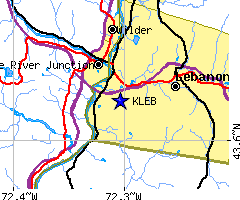
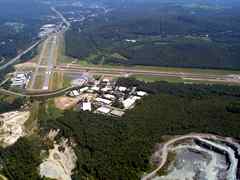
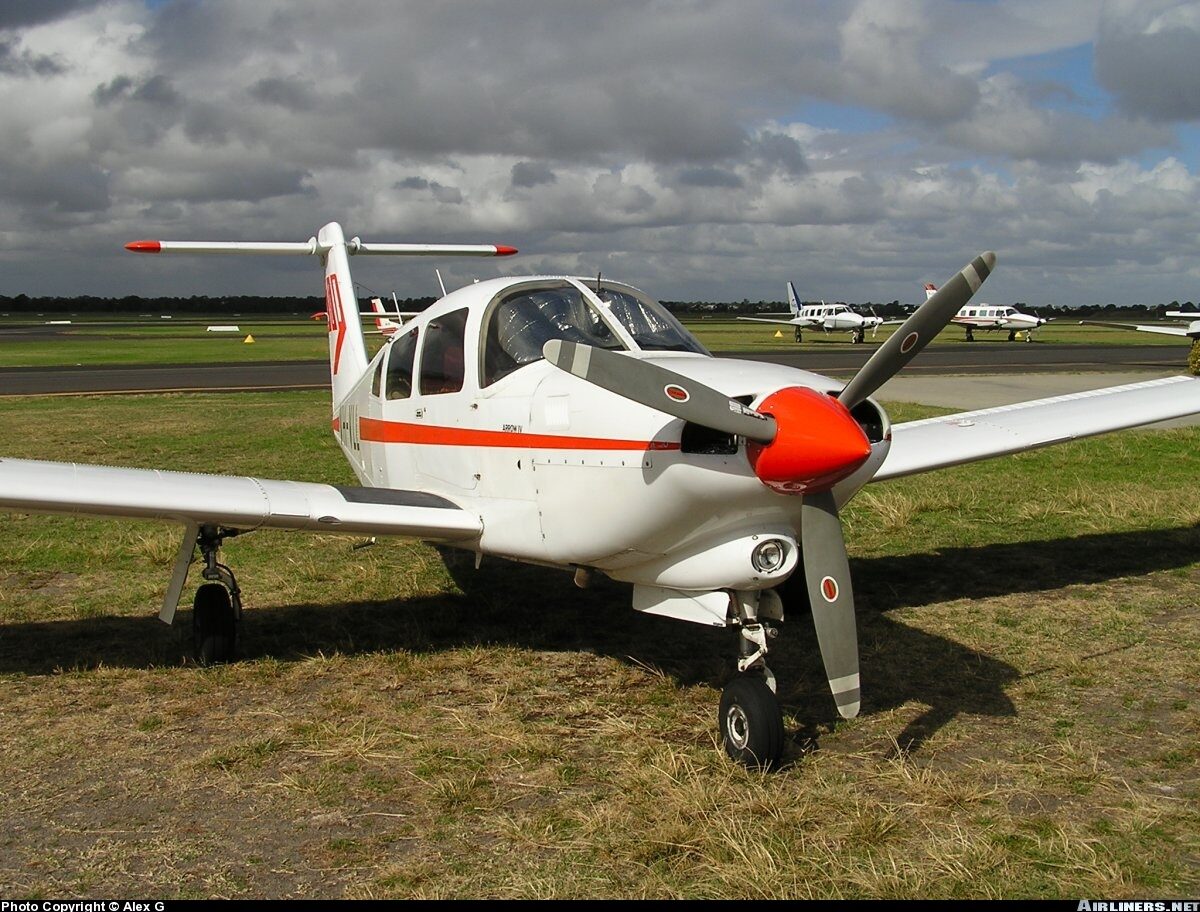
ב 02/06/02 בשעה 15:00 ,מטוס פייפר PA-28rt-201שתופעל תחת בי"ס לטיסה, פגע באדמה בתחילת הטיפוס לאחר המראה משדה התעופה העירוני של לבנון בניו המפשייר –KLEB.
הדבר קרה בטיסת הדרכה שתופעלה כטיסת ראייה, המטוס הגיע ללבנון מ נשוויל –טנסי. המדריך והטייס הפרטי נפצעו קשה ,טייס מסחרי נוסף שהיה במטוס מאחור כנוסע ,נפצע קל .
הנוסע שם לב שבדיקת המנוע בוצעה ללא "בד"ח" ,אולם בדיקת מגנטו בוצעה. הבדיקה הראתה כי המגנטו השמאלי תקין ,אבל כשנבחר בורר המגנטו הימני ,אבד כח מנוע. הטייס והמדריך החליטו להמשיך את הטיסה על מגנטו אחד, מכיוון שזה נעשה בהצלחה על אותו המטוס במשך השבוע שחלף.
הטיסה המריאה ממסלול 18 . כאשר המטוס חלף מעל עצים ,הנוסע שמע את המדריך אומר לטיס "תשים לב למהירות ותמשיך ישר" .הנוסע הביט מבעד לחלון וראה שהמטוס עם אף למעלה אבל הרגיש שהמטוס שוקע. המדריך לקח את השליטה בטיסה ופנה ימינה. הנוסע זוכר שהוא ראה אסם מהאוויר והמטוס פגע בקו מתח.
עדים בשדה שצפו בהמראה דיווחו שרעש המטוס נשמע כרגיל, אולם הוא לא טיפס כרגיל, כאילו הוא לא יכול "להרוויח" גובה. אחד העדים אף סיפר שכאשר ראה את המטוס מטפס האף היה כה גבוה שהוא לא יכל לראות את קצות הכנפיים. העדים סיפרו שהמטוס טס נמוך מאד מעל העצים, כשלפתע הכנף הימנית נפלה במהירות והמטוס נעלם מאחורי העצים.
המדריך המוסמך, מחזיק ברשיון טיס מסחרי למטוס חד ורב מנועי ובהגדר מכשירים. בעל נסיון של כ 1675 שעות ,לא ידוע כמה שעות טס על ה "פייפר ארו".
החניך הינו טייס פרטי בעל הגדר מכשירים ורשיון על מטוס חד מנועי עם נסיון של 145 שעות טיסה, לא נקבע כמה נסיון טיסה היה לו על המטוס הנידון.
לדברי הנוסע ,הוא ביצע את הטיסה מנשוויל ללבנון ,שם ביצע שני Touch & go ונחיתה.
בספר המטוס לא נמצא רישום של טיפול כלשהו במגנטו או במערכת ההצתה . המגנטו הימני והשמאלי פורקו מהמטוס לצורך המשך בחינה. במגנטו ניכרו סימנים של פרוק קודם!!!
האטם "טופל" בשניהם. המגנטו השמאלי הונח על "שולחן הניתוחים" ,הורץ מ 0 עד 2700 סל"ד ותפקד כשורה. לא כך המגנטו הימני. ניצוץ לא קבוע אובחן בין 0 ל 1500 סל"ד . מ 1600 ל 2600 סל"ד היה ניצוץ קבוע וב 2700 סל"ד המגנטו תפקד כשורה.
בדו"ח החקירה מוצהר כי מערכת המגנטו הכפולה ,מתוכננת לייצור ניצוץ בצורה עודפת, כדי שבשעה שמגנטו אחד יוצא מפעולה, הטיס יהיה מסוגל להגיע לשדה נח קרוב, עם כח מנוע.
הוא מסביר שלמרות שהמנוע יכול לפעול עם מגנטו אחד ,יש לקחת בחשבון שרק מחצית מהפלגים יעבדו כך שגם איכות הבעירה וגם כח המנוע ירדו .
מודגש בדו"ח שב"בד"ח" ספר המטוס רשום שיש לבדוק בהרצת המנוע מצתים על Both .
ה NTSB קבע שהגורם לתאונה זו היא שמדריך הטיסה ניסה לטוס במטוס לא תקין.
המגנטו המקולקל וההשתלשלות של אובדן כח מנוע והתנגשות עם קו מתח בתמרון לנחיתת אונס הם הסיבות לתאונה .